
Immune research peptides
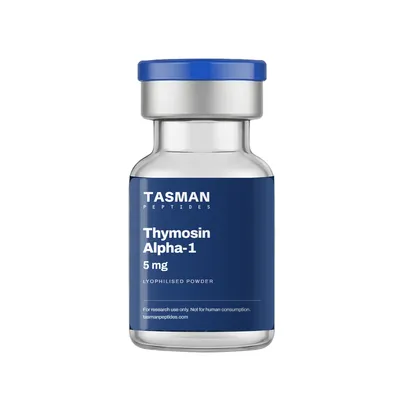
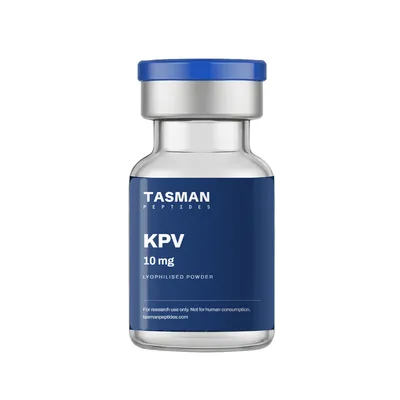
Immune research here covers two peptides. Thymosin alpha-1, first isolated from thymic tissue and known in synthetic form as thymalfasin, acts through Toll-like receptors on dendritic cells and has an unusually large human trial record in hepatitis, sepsis and melanoma. KPV, the C-terminal tripeptide of α-MSH, inhibited NF-κB signalling in cell studies and has been studied in mouse colitis models.
How these compare
| Compound | Class | Sizes | From |
|---|---|---|---|
| Thymosin Alpha-1 | Thymic immunomodulatory peptide | 5 mg · 10 mg | $179.99 |
| KPV | Melanocortin-derived tripeptide (C-terminal fragment of α-MSH) | 10 mg | $89.99 |
FAQ
What is thymosin alpha-1?
Thymosin alpha-1 is a thymic peptide; its synthetic version, thymalfasin, has been marketed as a medicine in some countries as Zadaxin. Trials tested it alongside standard treatment in chronic hepatitis B and C, sepsis and metastatic melanoma, with mixed results. The largest, a 1106-patient sepsis trial, found no mortality benefit.
What is KPV?
KPV is the tripeptide lysine-proline-valine, residues 11 to 13 of α-MSH. In cell studies it inhibited NF-κB and MAP kinase inflammatory signalling and entered cells through the PepT1 transporter. Its animal work is mostly in mouse and rat colitis models.
Are thymosin alpha-1 and KPV legal in Australia?
Neither is registered on the ARTG, and there is no TGA-approved product containing either one. We supply both for laboratory research only, not for human consumption. Each compound page has its own legal section.
Which formats are available?
Thymosin Alpha-1 comes in 5 mg and 10 mg vials. KPV comes in 10 mg vials and as capsules, and it is one of the four peptides in the KLOW blend.