
- Also known as
- SLU PP 332 · SLU-PP 332 · SLUPP332 · pan-ERR agonist SLU-PP-332
- Class
- Pan-ERR agonist (ERRα, ERRβ, ERRγ)
- Form
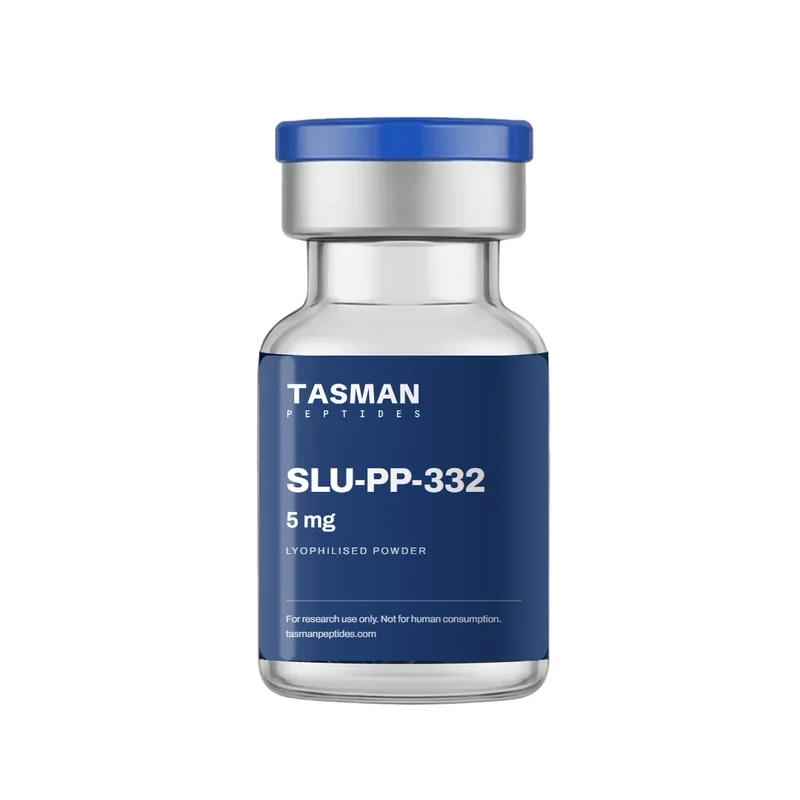
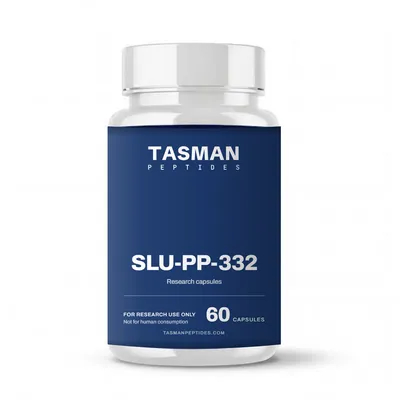
- Powder (5 mg vial); capsules, 60 per bottle
- Sizes
- 5 mg
- Storage, dry
- −20 °C, dry and dark
- Storage, mixed
- 2–8 °C once in solution; stability in solution is not reported in these records
- BAC water per size
- 5 mg: 2 mL
- Molecular weight
- 290.3 g/mol (C18H14N2O2)
What is SLU-PP-332?
SLU-PP-332 is a synthetic small molecule, not a peptide, that activates all three oestrogen-related receptors (ERRα, ERRβ and ERRγ). These are orphan nuclear receptors that switch on genes for mitochondrial function and fatty acid oxidation, which is why the compound is described as an exercise mimetic. It was designed by a structure-based approach. In diet-induced obese and ob/ob mice it increased energy expenditure and fatty acid oxidation, reduced fat mass and improved insulin sensitivity. In a mouse model of pressure-overload heart failure it improved ejection fraction and survival, with ERRγ as the main mediator. The rest of the record is laboratory work: structure-activity studies in cells and metabolite mapping in human liver fractions for doping control. All of the evidence is preclinical. There are no human studies in these records.
What the research shows
| Study | Model | Dose used | Duration | Finding |
|---|---|---|---|---|
| Billon C et al.2024 · J Pharmacol Exp Ther · PMID 37739806 | Mouse, diet-induced obese and ob/ob models of obesity and metabolic syndrome | Not stated in the abstract | Not stated in the abstract | SLU-PP-332 increased energy expenditure and fatty acid oxidation and decreased fat mass accumulation. It reduced obesity and improved insulin sensitivity in the metabolic syndrome models. |
| Xu W et al.2024 · Circulation · PMID 37961903 | Mouse, pressure overload-induced heart failure; cardiomyocyte cell work in vitro | Not stated in the abstract | 6-week pressure overload (treatment length not stated in the abstract) | SLU-PP-332 and SLU-PP-915 improved ejection fraction, reduced fibrosis and increased survival without affecting cardiac hypertrophy. They activated fatty acid and mitochondrial genes, and genetic dependency experiments showed ERRγ as the main mediator. |
| Okda HE et al.2026 · Int J Biol Macromol · PMID 41850449 | Cell culture, cell-based functional assays with computational modelling (structure-activity study) | Not stated in the abstract | Not stated in the abstract | The first full structure-activity analysis of the SLU-PP-332 scaffold identified the structural features that control ERRα and ERRγ agonism. Several analogues matched it with better ligand efficiency, solubility or metabolic stability, and SLU-PP-332 remained a benchmark for ERR activation. |
| Avliyakulov NK et al.2026 · Drug Test Anal · PMID 41688415 | In vitro, pooled human liver S9 fractions (metabolite identification) | Not stated in the abstract | Not stated in the abstract | 22 Phase I and II metabolites were identified by LC-MS/HRMS, including hydroxylated, glucuronidated and sulfated forms. Eight of them were the most abundant and potentially useful for doping control. |
| Möller T et al.2026 · Rapid Commun Mass Spectrom · PMID 41588687 | In vitro, human liver S9 fraction and human liver microsomes (analytical characterisation) | Not stated in the abstract | Not stated in the abstract | Nine metabolites were identified for SLU-PP-332: six Phase I metabolites and three Phase II conjugates. The authors describe the data as a basis for detecting its misuse as a performance-enhancing substance. |
What these studies don't show: Every study here is in mice, cells or liver fractions; no human study of SLU-PP-332 appears in these records, and a 2026 review states that clinical trials are still needed. None of the abstracts states the dose, route or treatment length used in the mouse work. The metabolism studies show what human liver enzymes make of the compound in a test tube, not how it behaves in a living body.
Every study links to its PubMed record. See all SLU-PP-332 studies in the research library →
SLU-PP-332 price in Australia: 5mg vial
Buy SLU-PP-332 in Australia in a 5mg vial, plus capsules and a starter kit. Prices are in AUD, you pay by PayID or bank transfer, and orders are dispatched from Australian stock.
| Size | Price | Per mg | BAC water (example) |
|---|---|---|---|
| 5 mg | $105.99 | $21.20/mg | 2 mL |
The BAC water column is an example volume for the maths only. Open the calculator (pre-set for SLU-PP-332).
Other formats and kits
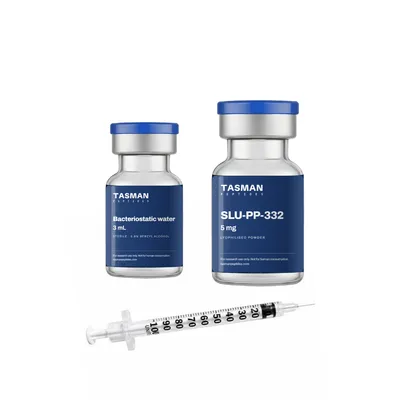
Is SLU-PP-332 available in Australia?
SLU-PP-332 is not registered on the ARTG, and there is no TGA-approved SLU-PP-332 product in Australia. It is an experimental compound that has only been studied in animals and in the laboratory. Tasman supplies it as a research chemical for laboratory research only, not for human or veterinary use. How the TGA treats research peptides →
Side effects reported in studies
No adverse events are reported for SLU-PP-332 in these records, because it has never been tested in people; a 2026 review of the mouse and cell work describes its effects as occurring without evident toxicity. The results measured are metabolic and cardiac outcomes in mice: energy expenditure, fat mass, insulin sensitivity, ejection fraction and survival. Read more →
Doses used in studies
None of the SLU-PP-332 abstracts in these records states a dose, a route or a treatment length. The two in-vivo studies were in mice, and they describe the compound as 'administered' without giving amounts. Nothing here is a dosing recommendation, and no human dose has been studied. Read more →
Reconstitution
| Vial | BAC water (example) | Concentration |
|---|---|---|
| 5 mg | 2 mL | 2.50 mg/mL |
SLU-PP-332 FAQ
Where can I buy SLU-PP-332 in Australia?
Tasman supplies research-grade SLU-PP-332 from Australian stock, as a 5 mg vial of powder and as a bottle of 60 capsules. Each batch is tested by HPLC before dispatch. It is sold for laboratory research only, not for human or veterinary use, and SLU-PP-332 is not registered on the ARTG.
What is SLU-PP-332 studied for?
SLU-PP-332 is studied as an exercise mimetic: a compound that switches on some of the same metabolic genes as aerobic exercise by activating ERRα, β and γ. In mice it has been tested in diet-induced obesity, ob/ob metabolic syndrome and pressure-overload heart failure. Laboratory work covers its structure-activity relationships and its metabolites in human liver fractions for anti-doping testing.
Is SLU-PP-332 a peptide?
No. SLU-PP-332 is a small synthetic molecule, a hydrazone with a molecular weight of about 290 g/mol, not a chain of amino acids. It is sold by peptide suppliers because it is used in the same kind of metabolic research. Being a small molecule is also why it can be made as capsules as well as vial powder.
What dose of SLU-PP-332 was used in studies?
The abstracts in this record do not state a dose. The two mouse studies, in obesity and in heart failure, say only that SLU-PP-332 was administered, and no human study exists. The dosage page sets out what each study did report. Tasman does not publish dosing guidance.
Does SLU-PP-332 have side effects?
Its side effects in people are unknown, because it has not been tested in humans. A 2026 review of the mouse and cell studies describes its metabolic effects as occurring without evident toxicity, but the abstract gives no measures behind that. In mice with heart failure, it improved heart function without changing cardiac hypertrophy.
Is SLU-PP-332 legal in Australia?
SLU-PP-332 is not registered on the ARTG, and there is no TGA-approved SLU-PP-332 product. Tasman supplies it only as a research chemical for laboratory use. Anti-doping researchers have described it as a compound with doping potential, and WADA prohibits exercise mimetics in sport.
How much is SLU-PP-332 per mg?
The size table on this page lists the 5 mg vial and the 60-capsule bottle with their current prices, so the cost per mg can be worked out from it. The vial is dry powder for preparing in the lab, while the capsules are pre-measured, with the strength per capsule printed on the label.
How should SLU-PP-332 be stored?
Store the vial powder at −20 °C, sealed, dry and away from light. Keep any prepared solution at 2–8 °C; its stability in solution is not reported in these records. Keep the capsules in the sealed bottle in a cool, dry place away from light.
SLU-PP-332 vs MOTS-C: what is the difference?
Both are studied for metabolism and exercise-like effects, but they are different kinds of compound. SLU-PP-332 is a synthetic small molecule that activates the ERR nuclear receptors. MOTS-C is a 16-amino-acid peptide encoded in mitochondrial DNA. Each has its own page with the studies behind it.
Is there a SLU-PP-332 starter kit?
Yes. The SLU-PP-332 5 mg vial is also offered as a starter kit, and the product page lists exactly what the kit includes. Like the vial on its own, the kit is supplied for laboratory research only.
Compare with
Related compounds
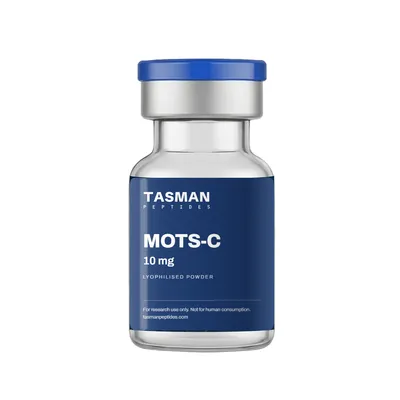
MOTS-C
Mitochondrial-derived peptide
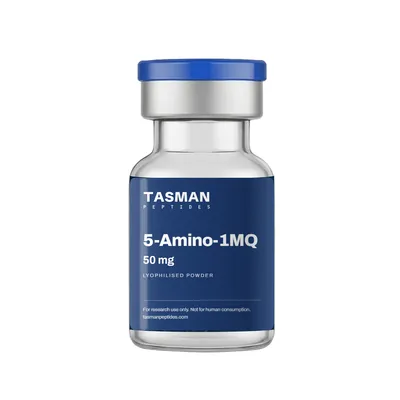
5-Amino-1MQ
Small-molecule nicotinamide N-methyltransferase (NNMT) inhibitor
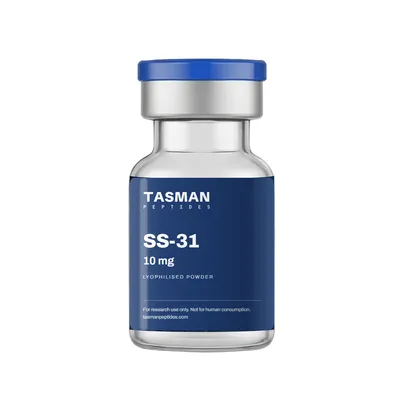
SS-31
Mitochondria-targeting tetrapeptide (cardiolipin binder)
NAD+
Redox coenzyme (dinucleotide), not a peptide