
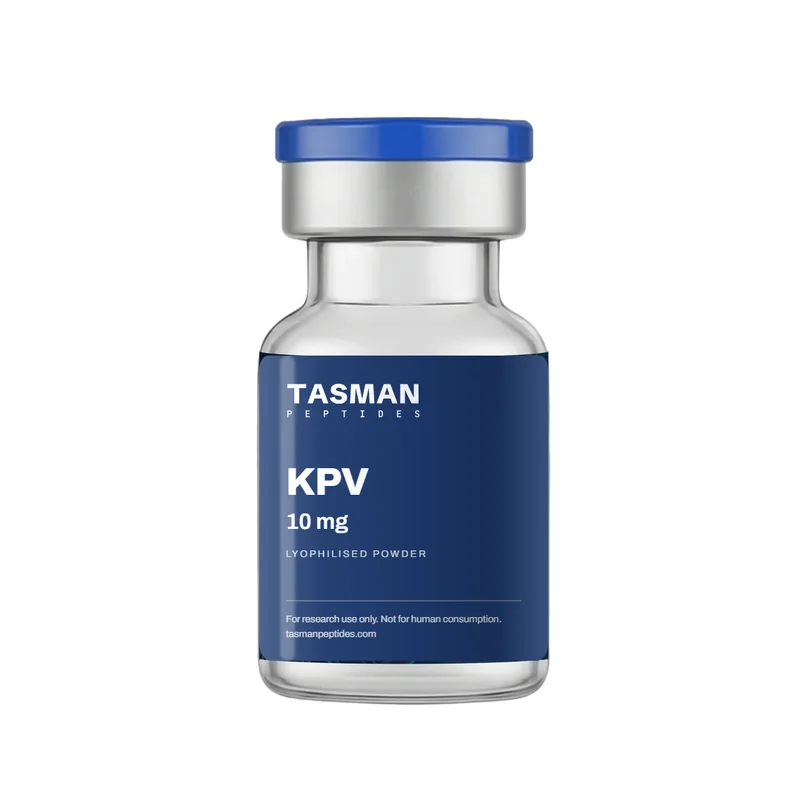
- Also known as
- KPV peptide · Lys-Pro-Val · lysine-proline-valine · alpha-MSH (11-13) · α-MSH 11-13
- Class
- Melanocortin-derived tripeptide
- Form
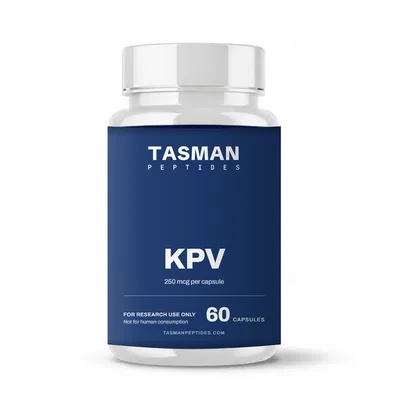
- Lyophilised powder (10 mg vial); capsules (60 × 250 mcg)
- Sizes
- 10 mg
- Storage, dry
- −20 °C, dry and dark
- Storage, mixed
- 2–8 °C, use within 28 days of mixing (as generally reported for reconstituted peptides)
- BAC water per size
- 10 mg: 2 mL
- Molecular weight
- 342.4 g/mol
What is KPV?
KPV is a tripeptide of lysine, proline and valine (Lys-Pro-Val). It is the C-terminal end, residues 11 to 13, of alpha-melanocyte-stimulating hormone (α-MSH), and the antipyretic and anti-inflammatory activity of α-MSH has been attributed to this sequence. In cell studies, nanomolar concentrations of KPV inhibited NF-κB and MAP kinase inflammatory signalling, and KPV entered intestinal and immune cells through PepT1, a di- and tripeptide transporter that is induced in the colon during inflammatory bowel disease. Most KPV research is in mouse and rat colitis models, often with the peptide carried in nanoparticles or hydrogels because free KPV is unstable. There are no human trials in the records we cite. Tasman supplies KPV as a lyophilised powder in 10 mg vials and as 250 mcg capsules for laboratory research.
What the research shows
| Study | Model | Dose used | Duration | Finding |
|---|---|---|---|---|
| Dalmasso G et al.2008 · Gastroenterology · PMID 18061177 | Mouse, DSS- and TNBS-induced colitis models; human intestinal epithelial cells (Caco2-BBE, HT29-Cl.19A) and T cells (Jurkat) | Nanomolar concentrations in cells; in mice, KPV added to drinking water (amount not stated in the abstract) | Not stated in the abstract | Nanomolar KPV inhibited NF-κB and MAP kinase signalling and reduced pro-inflammatory cytokine secretion, acting through the PepT1 transporter. Oral KPV reduced the incidence of DSS- and TNBS-induced colitis in mice. |
| Kannengiesser K et al.2008 · Inflamm Bowel Dis · PMID 18092346 | Mouse, DSS colitis and CD45RBhi transfer colitis models, including mice with a nonfunctional MC1 receptor | Not stated in the abstract | Not stated in the abstract | KPV gave earlier recovery and stronger regain of body weight, with fewer inflammatory infiltrates and lower colonic MPO activity. In MC1R-deficient mice, KPV rescued all treated animals from death during DSS colitis, suggesting effects partly independent of MC1R. |
| Xiao B et al.2017 · Mol Ther · PMID 28143741 | Mouse, ulcerative colitis model; colonic epithelial cells and macrophages | Oral KPV in hyaluronic acid-functionalised nanoparticles within a chitosan/alginate hydrogel; amount not stated in the abstract | Not stated in the abstract | The HA-KPV nanoparticle hydrogel prevented mucosal damage and lowered TNF-α more than a KPV nanoparticle hydrogel without hyaluronic acid. The nanoparticles appeared nontoxic and biocompatible with intestinal cells. |
| Sun J et al.2021 · ACS Biomater Sci Eng · PMID 34547895 | Rat, TNBS-induced ulcerative colitis model (rectal hydrogel) | KPV in a 4% SH-PGA hydrogel, given rectally; KPV amount not stated in the abstract | Not stated in the abstract | The KPV hydrogel reduced body weight loss and disease activity score, prevented colon shortening, lowered colonic myeloperoxidase and reduced TNF-α and IL-6. The abstract notes that plain KPV solution is very unstable when given rectally. |
| Zhao Y et al.2022 · Acta Biomater · PMID 35245681 | Rat, TNBS-induced colitis model (intracolonic hydrogel) | KPV captured in a PMSP hydrogel, given intracolonically; amount not stated in the abstract | Not stated in the abstract | The hydrogel significantly improved the effect of KPV on colitis, the colon's epithelial barrier recovered, and gut flora shifted toward microorganisms associated with gut homeostasis. |
| Zhang L et al.2024 · Adv Healthc Mater · PMID 39252648 | Mouse, vascular calcification model; cells in vitro (KPV combined with rapamycin) | KPV-rapamycin nanoparticles; amount not stated in the abstract | Not stated in the abstract | KPV-rapamycin nanoparticles significantly inhibited vascular calcification in mice compared with the other treatment groups, with reduced inflammatory responses and activated autophagy. The effect of KPV alone cannot be separated from rapamycin in this design. |
| Pawar K et al.2017 · J Pharm Sci · PMID 28343991 | Human skin ex vivo (dermatomed), transdermal delivery study | Not stated in the abstract | Not stated in the abstract | Passive KPV permeation was below detection (0.01 μg/mL). Microneedles raised it to 4.4 μg/cm²/h, and iontophoresis alone and with microneedles increased it 8- and 35-fold over microneedles alone. |
| Elliott RJ et al.2004 · J Invest Dermatol · PMID 15102092 | Cell culture (HaCaT and normal human keratinocytes; Chinese hamster ovary cells expressing MC1R) | 10⁻¹⁵ to 10⁻⁷ M | Not stated in the abstract | KPV did not raise cyclic AMP in keratinocytes. It raised intracellular calcium in HaCaT keratinocytes when an adenosine agonist was present, and in cells transfected with the MC1 receptor. |
What these studies don't show: There are no human studies of KPV in these records, only human cells and skin samples in the lab. The animal work is almost all colitis in mice and rats, and most abstracts do not state the amount of KPV used. Several studies tested KPV inside nanoparticles or hydrogels, or combined with rapamycin, so their results are not results for plain KPV.
Every study links to its PubMed record. See all KPV studies in the research library →
KPV price in Australia: 10mg vial
Buy KPV in Australia in a 10mg vial, plus capsules and a starter kit. Prices are in AUD, you pay by PayID or bank transfer, and orders are dispatched from Australian stock.
| Size | Price | Per mg | BAC water (example) |
|---|---|---|---|
| 10 mg | $89.99 | $9.00/mg | 2 mL |
The BAC water column is an example volume for the maths only. Open the calculator (pre-set for KPV).
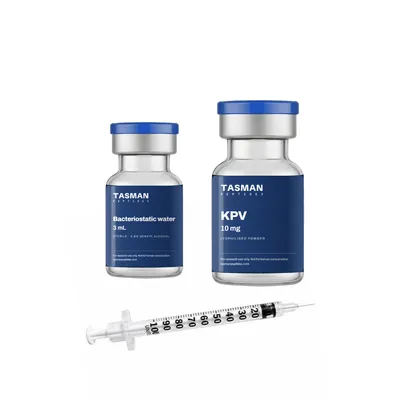
Other formats and kits
Is KPV available in Australia?
KPV is not registered on the ARTG, and no TGA-approved KPV product exists. We did not find a TGA source that names KPV, so this page does not state a Poisons Standard schedule for it. Tasman supplies KPV only as a research material for laboratory work, not for human use. How the TGA treats research peptides →
Side effects reported in studies
No human study of KPV appears in these records, so there are no reported side effects in people. In animal and cell work, KPV nanoparticle and nanodrug preparations were described as nontoxic, biocompatible or showing good biosafety. Read more →
Doses used in studies
Most KPV abstracts in our records do not state the amount of KPV used. The cell studies report concentrations: nanomolar KPV in intestinal and immune cells, and 10⁻¹⁵ to 10⁻⁷ M in keratinocytes. The animal studies report routes, such as drinking water in mice and rectal or intracolonic hydrogels in rats, without amounts. Read more →
Reconstitution
| Vial | BAC water (example) | Concentration |
|---|---|---|
| 10 mg | 2 mL | 5 mg/mL |
KPV FAQ
Where can I buy KPV in Australia?
Tasman supplies research-grade KPV from Australian stock for laboratory research only. It comes as lyophilised powder in a 10 mg vial and as capsules of 250 mcg, 60 per bottle, and it is tested by HPLC. KPV is not registered on the ARTG and is not sold for human or veterinary use.
What is KPV peptide?
KPV is the tripeptide lysine-proline-valine, the last three amino acids (11 to 13) of alpha-melanocyte-stimulating hormone. The anti-inflammatory activity of α-MSH has been attributed to this sequence. In cells KPV reduced NF-κB signalling, and in mice and rats it has been studied mostly in colitis models.
Is KPV legal in Australia?
KPV is not registered on the ARTG, and no TGA-approved KPV product exists. We found no TGA source naming KPV, so we do not state a Poisons Standard schedule for it. Tasman supplies KPV only as a research material for laboratory work. The legal section sets out what the TGA sources say about unapproved peptides.
How much is KPV per mg?
The size table on this page lists the 10 mg vial and the 60 × 250 mcg capsule bottle, which holds 15 mg in total, so the per-mg figure for each format can be read from it. The formats differ in total content and presentation, so their per-mg figures are not the same.
How should KPV be stored?
Dry KPV powder is stored at −20 °C, kept dry and away from light. Once mixed, reconstituted peptides are generally reported to be kept at 2–8 °C and used within 28 days. Capsules are kept sealed in a cool, dry, dark place.
What is KPV studied for?
KPV is studied mainly for intestinal inflammation. Mouse and rat studies used DSS, TNBS and transfer colitis models, and cell studies looked at NF-κB signalling in intestinal, immune and skin cells. Other work has looked at delivery across human skin and at vascular calcification in mice, combined with rapamycin.
What KPV dosage was used in studies?
Most KPV abstracts in our records do not state the amount. The cell studies used nanomolar concentrations and 10⁻¹⁵ to 10⁻⁷ M, and the animal studies gave KPV in drinking water or in hydrogels without stating amounts in the abstract. These figures describe those studies only, and the dosage section lists each one.
KPV vs BPC-157: what is the difference?
KPV is a three-amino-acid fragment of α-MSH, studied mainly in mouse and rat colitis models and in cells. BPC-157 is a 15-amino-acid peptide derived from a gastric protein, studied in rat gut, tendon, vessel and nerve injury models, with three small human reports. BPC-157 has a Schedule 4 entry; we found no TGA source naming KPV.
Is KPV in the KLOW blend?
Yes. KLOW is the GLOW blend (GHK-Cu 50 mg, BPC-157 10 mg and TB-500 10 mg) with KPV 10 mg added, for 80 mg in one vial. Its page lists the studies for each component, drawn from the same records as this page. Like the single vial, it is supplied for laboratory research only.
Is there a KPV starter kit?
Yes. The KPV starter kit pairs the 10 mg vial with the supplies used to reconstitute it for laboratory work, and the kit page lists exactly what is in the box. It is supplied for research use only, like the vial on its own.
Compare with
Related compounds
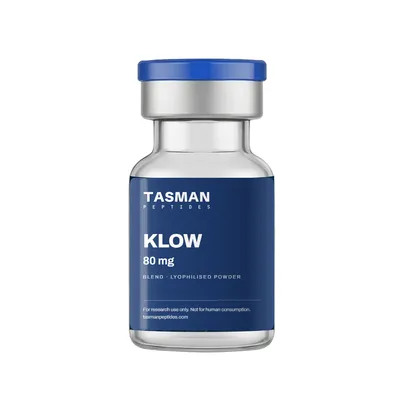
KLOW
Four-peptide research blend (GHK-Cu, BPC-157, TB-500, KPV)
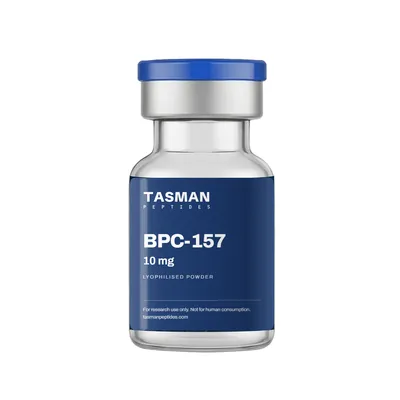
BPC-157
Synthetic pentadecapeptide derived from a gastric protein
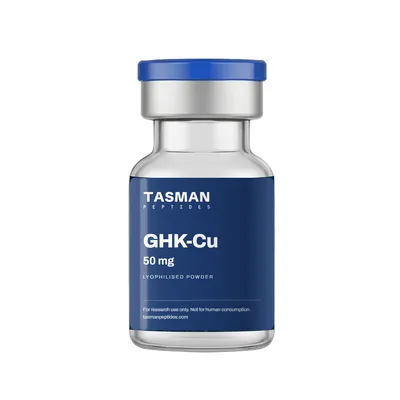
GHK-Cu
Copper-binding tripeptide (Gly-His-Lys copper complex)
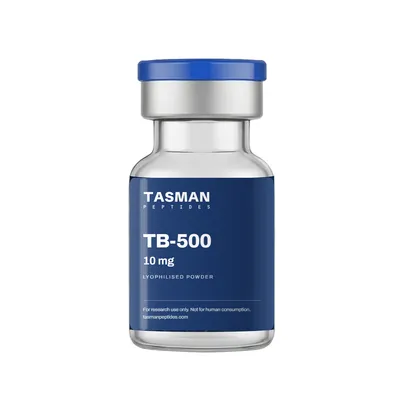
TB-500
Thymosin beta-4 related peptide (actin-binding)