
- Also known as
- Reta · LY3437943 · GGG tri-agonist
- Class
- Triple receptor agonist (GIP, GLP-1, glucagon)
- Form
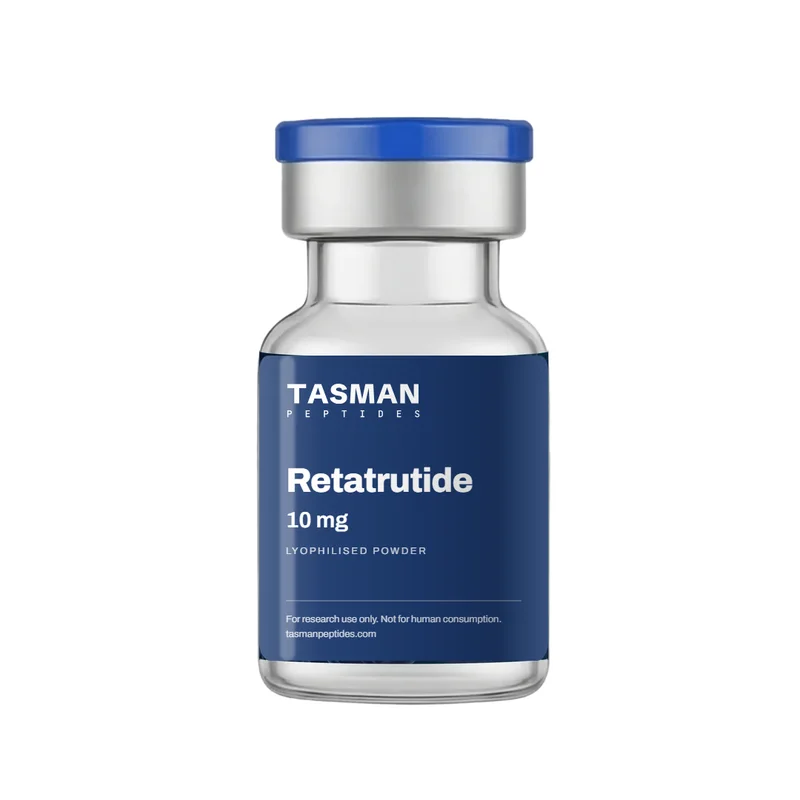
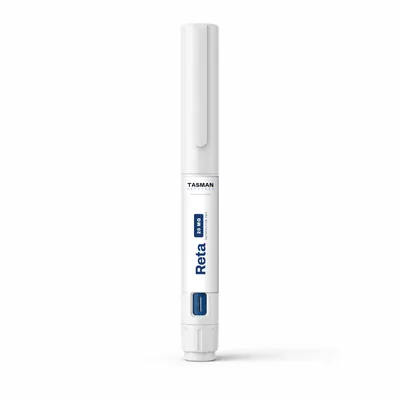
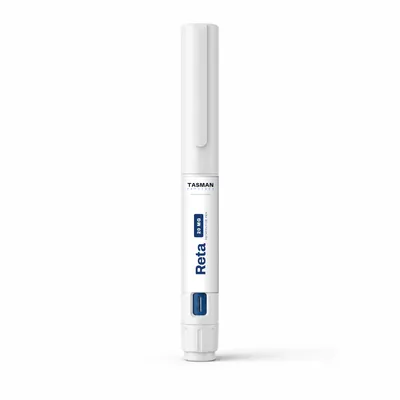
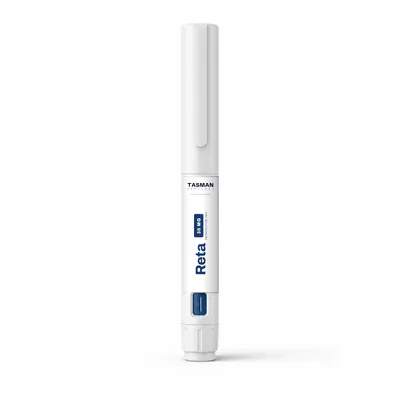
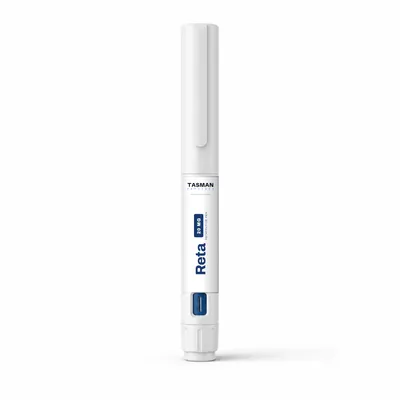
- Lyophilised powder (10, 20, 30 mg vials); pre-filled pen (20, 30 mg)
- Sizes
- 10 mg · 20 mg · 30 mg
- Storage, dry
- −20 °C, dry and dark
- Storage, mixed
- 2–8 °C, use within 28 days of mixing (as generally reported for reconstituted peptides)
- BAC water per size
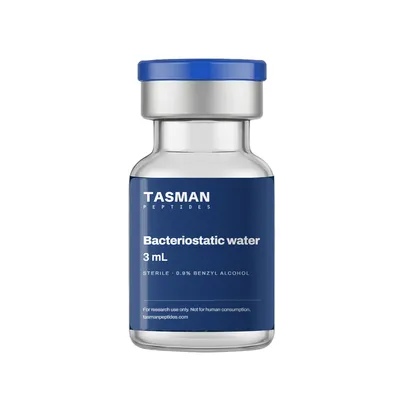
- 10 mg: 2 mL · 20 mg: 3 mL · 30 mg: 3 mL
What is Retatrutide?
Retatrutide is a synthetic peptide developed by Eli Lilly under the code LY3437943 that activates three hormone receptors at once: glucose-dependent insulinotropic polypeptide (GIP), glucagon-like peptide-1 (GLP-1) and glucagon. GIP and GLP-1 are gut hormones that act on insulin release and appetite; glucagon acts on the liver and energy use. Semaglutide acts on GLP-1 only and tirzepatide on GIP and GLP-1, so retatrutide adds the glucagon receptor on top. In the published trials it was given as a once-weekly subcutaneous injection, and the studies measured body weight, HbA1c, liver fat, body composition and appetite. It is still an investigational compound: phase 2 results were published in 2023, and a phase 3 trial in type 2 diabetes (TRANSCEND-T2D-1) was published in 2026.
What the research shows
| Study | Model | Dose used | Duration | Finding |
|---|---|---|---|---|
| Jastreboff AM et al.2023 · N Engl J Med · PMID 37366315 | Human, phase 2 randomised controlled trial in adults with obesity (n=338) | 1, 4, 8 or 12 mg once weekly, subcutaneous (4 and 8 mg arms started at 2 or 4 mg; 12 mg started at 2 mg), vs placebo | 48 weeks | Mean body weight change at 48 weeks was −8.7% (1 mg), −17.1% (4 mg), −22.8% (8 mg) and −24.2% (12 mg) vs −2.1% with placebo. The most common adverse events were gastrointestinal, dose-related and mostly mild to moderate. |
| Bajaj HS et al.2026 · Lancet · PMID 42250575 | Human, phase 3 randomised controlled trial in adults with type 2 diabetes (n=537) | 4, 9 or 12 mg once weekly, subcutaneous, vs placebo | 40 weeks | HbA1c fell by 1.69%, 1.86% and 1.94% with 4, 9 and 12 mg vs 0.81% with placebo, and body weight changed by −11.5%, −13.9% and −15.3% vs −2.6%. Discontinuation for adverse events was 2–5% with retatrutide and 0% with placebo. |
| Urva S et al.2022 · Lancet · PMID 36354040 | Human, phase 1b randomised multiple-ascending dose trial in type 2 diabetes (n=72) | 0.5, 1.5, 3, 3/6 or 3/6/9/12 mg once weekly, subcutaneous, vs placebo or dulaglutide 1.5 mg | 12 weeks | Treatment-emergent adverse events were reported by 63% of participants on LY3437943, 60% on dulaglutide and 54% on placebo, with gastrointestinal disorders the most frequent. The primary outcome was safety and tolerability. |
| Sanyal AJ et al.2024 · Nat Med · PMID 38858523 | Human, phase 2a randomised controlled substudy in adults with MASLD and ≥10% liver fat (n=98) | 1, 4, 8 or 12 mg once weekly, subcutaneous, vs placebo | 48 weeks (liver fat primary endpoint at 24 weeks) | Mean relative change in liver fat at 24 weeks was −42.9% (1 mg), −57.0% (4 mg), −81.4% (8 mg) and −82.4% (12 mg) vs +0.3% with placebo. Normal liver fat (<5%) was reached by 27% to 86% of the retatrutide groups and 0% on placebo. |
| Coskun T et al.2025 · Lancet Diabetes Endocrinol · PMID 40609566 | Human, phase 2 randomised controlled body-composition substudy in type 2 diabetes (n=189 enrolled; 103 with both DXA scans) | 0.5, 4, 8 or 12 mg once weekly, subcutaneous, vs placebo or dulaglutide 1.5 mg | 36 weeks | Total fat mass measured by DXA fell by 4.9% (0.5 mg), 15.2% (4 mg), 26.1% (8 mg) and 23.2% (12 mg), compared with 2.6% on dulaglutide and 4.5% on placebo. |
| Kanu C et al.2025 · Diabetes Obes Metab · PMID 40916752 | Human, exploratory analysis of a phase 2 randomised controlled trial in type 2 diabetes (n=275) | 0.5, 4, 8 or 12 mg once weekly, vs placebo or dulaglutide 1.5 mg | 24 and 36 weeks | Participants on 4 mg or more reported greater reductions in overall appetite, hunger and prospective food consumption than placebo at week 24. Lower perceived hunger and disinhibition correlated with weight reduction at week 36. |
What these studies don't show: These are short-to-medium trials of 12 to 48 weeks, so they say nothing about effects beyond a year. Most of the data comes from one sponsor's phase 2 programme, and only one phase 3 report is in this set; the larger phase 3 obesity trials have not reported here. Liver fat, fat mass and appetite scores are measured markers, not long-term clinical outcomes. None of these studies tested research-grade material or a pen device of the kind sold here.
Every study links to its PubMed record. See all Retatrutide studies in the research library →
Retatrutide price in Australia: 10mg, 20mg and 30mg vials
Buy Retatrutide in Australia in 3 vial sizes, plus pre-filled pens and a starter kit. Prices are in AUD, you pay by PayID or bank transfer, and orders are dispatched from Australian stock.
| Size | Price | Per mg | BAC water (example) |
|---|---|---|---|
| 10 mg | $144.99 | $14.50/mg | 2 mL |
| 20 mg | $229.99 | $11.50/mg | 3 mL |
| 30 mg | $329.99 | $11.00/mg | 3 mL |
The BAC water column is an example volume for the maths only. Open the calculator (pre-set for Retatrutide).
Pens, kits and other formats
Is Retatrutide available in Australia?
Retatrutide is not registered on the ARTG, and there is no TGA-approved retatrutide product in Australia. It is an investigational compound that is still in phase 3 clinical trials overseas, so no date has been set for it to become available as a medicine here. Tasman supplies retatrutide for laboratory research only. Read more →
Side effects reported in studies
In the published retatrutide trials the most common adverse events were gastrointestinal, mainly nausea, diarrhoea and vomiting; they were dose-related, mostly mild to moderate, and less frequent when the trial started at a lower dose. The same trials reported body weight reductions of up to 24.2% at 48 weeks in adults with obesity and HbA1c reductions of up to 1.94% at 40 weeks in type 2 diabetes. Read more →
Reconstitution
| Vial | BAC water (example) | Concentration |
|---|---|---|
| 10 mg | 2 mL | 5 mg/mL |
| 20 mg | 3 mL | 6.67 mg/mL |
| 30 mg | 3 mL | 10 mg/mL |
Retatrutide FAQ
Where can I buy retatrutide in Australia?
Tasman Peptides supplies research-grade retatrutide from Australian stock, for laboratory research only. It comes as lyophilised powder in 10, 20 and 30 mg vials and as 15, 20, 30 and 70 mg pre-filled pens, and each lot is tested by HPLC before dispatch. Retatrutide is not a TGA-approved medicine, so it is sold as a research chemical and not for human consumption.
When will retatrutide be available in Australia?
No date has been announced, because retatrutide is not registered on the ARTG and there is no TGA-approved product. It is still in phase 3 trials: one phase 3 trial in type 2 diabetes was published in 2026, and the obesity trials were described as ongoing in 2025 reviews. Registration would need a sponsor application and a TGA evaluation after that data is complete.
Is retatrutide legal in Australia?
Retatrutide is not registered on the ARTG, and there is no TGA-approved retatrutide medicine in Australia. It is available only as a research compound for laboratory work. Tasman supplies it on that basis and does not give advice on obtaining it as a medicine. The ARTG search on the TGA website is the place to check its current regulatory position.
How much is retatrutide per mg?
The price per mg depends on the vial or pen size, and the size table on this page shows the per-mg figure for each option side by side. Larger vials generally carry a lower cost per mg. The 10, 20 and 30 mg vials and the 15, 20, 30 and 70 mg pens all contain the same compound, tested by HPLC.
What is the difference between the 10 mg, 20 mg and 30 mg vials?
The only difference is the amount of lyophilised retatrutide in the vial; the compound and purity testing are the same. For the site's calculator, the neutral default is 2 mL of bacteriostatic water for a 10 mg vial and 3 mL for the 20 and 30 mg vials, which is arithmetic only. A larger vial suits longer research runs from one lot.
Retatrutide vial or pre-filled pen: which is which?
A vial holds dry lyophilised powder that has to be reconstituted with bacteriostatic water before use, while a pre-filled pen already holds the compound in solution. The vial keeps longer in storage while dry; the pen needs no mixing but must be kept refrigerated. Both are supplied for laboratory research only.
How should retatrutide be stored?
Unmixed lyophilised retatrutide is best kept at −20 °C, dry and away from light. Once reconstituted it is generally kept at 2–8 °C and used within 28 days, as reported for reconstituted peptides. Pre-filled pens are kept refrigerated at 2–8 °C and not frozen. Avoid repeated warming and cooling.
Retatrutide vs tirzepatide: what is the difference?
Retatrutide acts on three receptors (GIP, GLP-1 and glucagon), while tirzepatide acts on two (GIP and GLP-1). Tirzepatide is registered on the ARTG as Mounjaro; retatrutide is still investigational and not registered. A 2025 network meta-analysis found retatrutide achieved 15% or greater weight loss most often of the agents compared, and also had the highest adverse event risk.
What is retatrutide studied for?
Retatrutide has been studied in obesity, type 2 diabetes and metabolic dysfunction-associated steatotic liver disease (MASLD). Trials measured body weight, HbA1c, liver fat, fat mass by DXA, appetite scores, blood pressure and lipids. All the cited trials were in adults and ran for 12 to 48 weeks.
Is there a retatrutide starter kit?
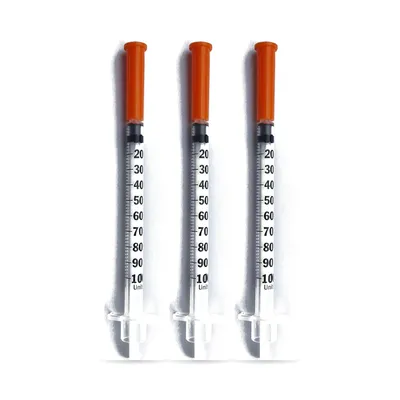
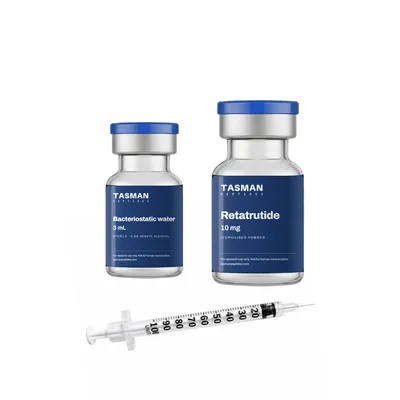
Yes. The retatrutide starter kit contains a 10 mg vial, 3 mL of bacteriostatic water, ten 0.5 mL insulin syringes and 20 alcohol swabs. There is also a pen kit with a 15, 20, 30 or 70 mg pre-filled pen, 20 pen needles and 20 alcohol swabs. Both are sold for laboratory research only.
Compare with
Related compounds
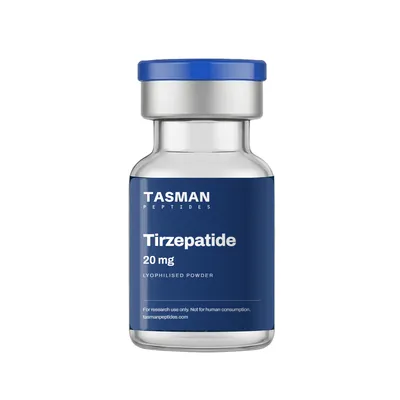
Tirzepatide
GIP and GLP-1 receptor agonist
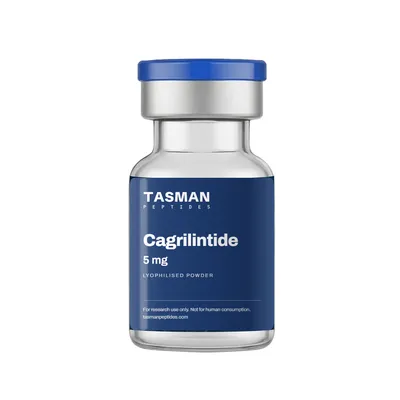
Cagrilintide
Long-acting amylin analogue (amylin receptor agonist)
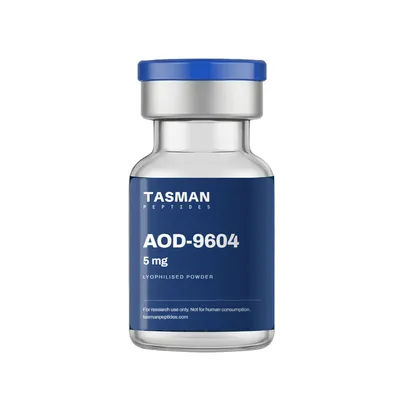
AOD-9604
Modified C-terminal fragment of human growth hormone
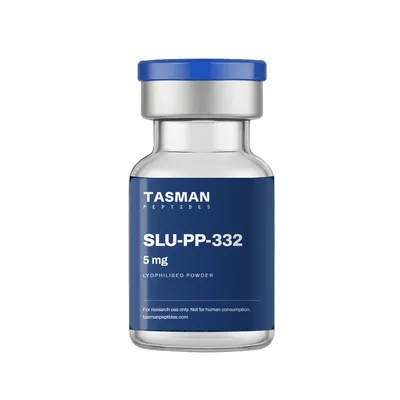
SLU-PP-332
Synthetic pan-ERR (ERRα/β/γ) agonist, small molecule