
Mitochondrial research peptides
Mitochondrial research covers compounds studied for their effects on how cells produce and use energy. MOTS-C is a peptide encoded in mitochondrial DNA, and SS-31 binds cardiolipin in the inner mitochondrial membrane. NAD+ is a redox coenzyme, not a peptide. SLU-PP-332 and 5-Amino-1MQ are small molecules that act on the oestrogen-related receptors and the enzyme NNMT.
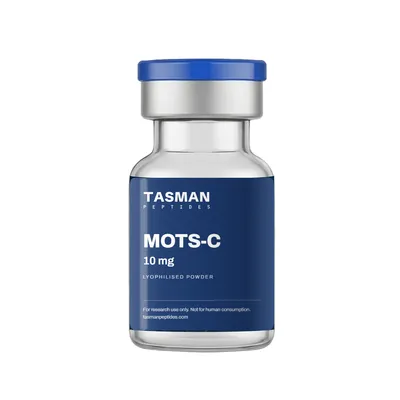
MOTS-C
Mitochondrial-derived peptide
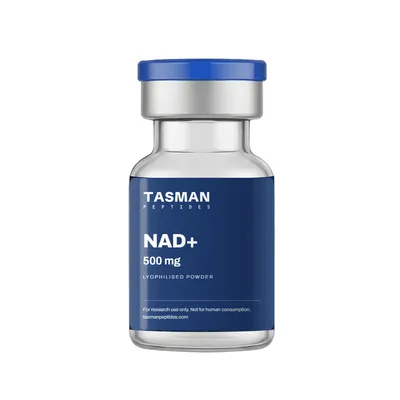
NAD+
Redox coenzyme (dinucleotide), not a peptide
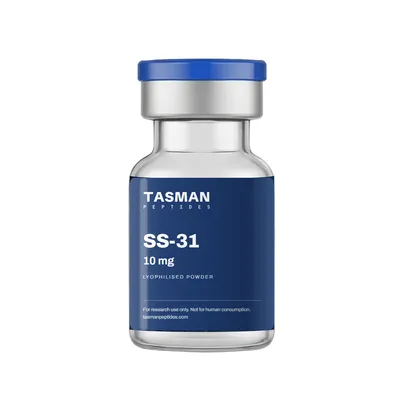
SS-31
Mitochondria-targeting tetrapeptide (cardiolipin binder)
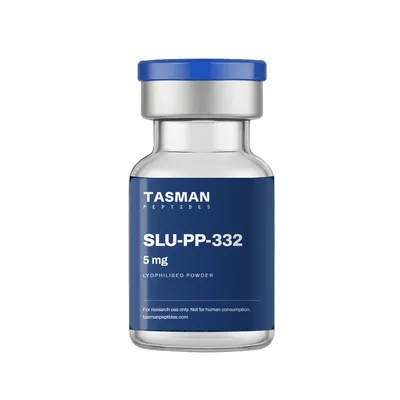
SLU-PP-332
Synthetic pan-ERR (ERRα/β/γ) agonist, small molecule
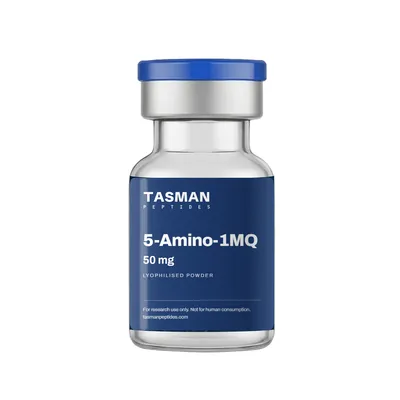
5-Amino-1MQ
Small-molecule nicotinamide N-methyltransferase (NNMT) inhibitor
How these compare
| Compound | Class | Sizes | From |
|---|---|---|---|
| MOTS-C | Mitochondrial-derived peptide | 10 mg · 40 mg | $94.99 |
| NAD+ | Redox coenzyme (dinucleotide), not a peptide | 500 mg · 1000 mg | $129.99 |
| SS-31 | Mitochondria-targeting tetrapeptide (cardiolipin binder) | 10 mg | $89.99 |
| SLU-PP-332 | Synthetic pan-ERR (ERRα/β/γ) agonist, small molecule | 5 mg | $105.99 |
| 5-Amino-1MQ | Small-molecule nicotinamide N-methyltransferase (NNMT) inhibitor | 50 mg | $109.99 |
FAQ
What is MOTS-C?
MOTS-C is a 16-amino-acid peptide encoded inside the mitochondrial 12S rRNA gene, first described in 2015. In mouse and cell work it acted mainly on skeletal muscle, where it led to AMPK activation. Almost all of the functional evidence comes from rodent and cell studies.
Is NAD+ a peptide?
No. NAD+ is a dinucleotide coenzyme found in all living cells. We list it with the peptides because it is supplied the same way, in 500 mg and 1000 mg vials. Most human studies gave oral precursors such as NR or NMN rather than NAD+ itself, and the NAD+ page says which molecule each study used.
What is SS-31?
SS-31 is a mitochondria-targeting tetrapeptide that binds cardiolipin. As elamipretide it has been through phase 3 trials and received accelerated approval in the USA in September 2025, as Forzinity for Barth syndrome. It is not registered on the ARTG, and we supply it for laboratory research only.
What is the difference between SLU-PP-332 and 5-Amino-1MQ?
Both are small molecules studied mainly in mice. SLU-PP-332 activates the oestrogen-related receptors ERRα, ERRβ and ERRγ, which switch on genes for mitochondrial function, and is described as an exercise mimetic. 5-Amino-1MQ blocks the enzyme NNMT, which links it to NAD+ levels and methylation balance.