

- Also known as
- GHK Cu · copper peptide · copper tripeptide-1 · glycyl-L-histidyl-L-lysine copper(II)
- Class
- Copper-binding tripeptide
- Form
- Lyophilised powder
- Sizes
- 50 mg · 100 mg
- Storage, dry
- −20 °C, dry and dark
- Storage, mixed
- 2–8 °C, use within 28 days of mixing (as generally reported for reconstituted peptides)
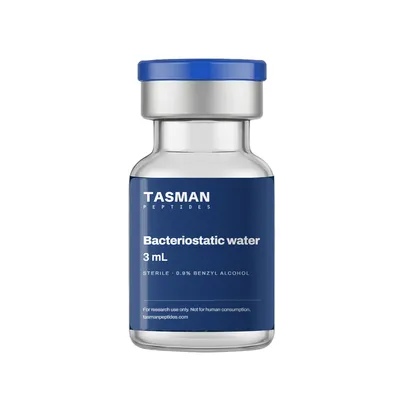
- BAC water per size
- 50 mg: 5 mL · 100 mg: 5 mL
What is GHK-Cu?
GHK-Cu is the copper(II) complex of GHK, a tripeptide of glycine, histidine and lysine (glycyl-L-histidyl-L-lysine). GHK occurs naturally in human plasma, saliva and urine, and reviews report that its level falls with age. It binds copper ions with high affinity, and the copper complex is the form most often studied. GHK was first described in 1973 as an activity in human albumin. In cell and animal work GHK-Cu has been examined for its effects on fibroblast growth, collagen and glycosaminoglycan synthesis, blood vessel growth and wound closure. More recent mouse studies report that it binds the enzyme SIRT1 in muscle and airway models and peroxiredoxin 6 in a lung model. Controlled human data are limited to skin care products applied to the skin. Tasman supplies GHK-Cu as a lyophilised powder for laboratory research.
What the research shows
| Study | Model | Dose used | Duration | Finding |
|---|---|---|---|---|
| Miller TR et al.2006 · Arch Facial Plast Surg · PMID 16847171 | Human, randomised controlled trial (n=13 completed), skin after CO2 laser resurfacing | Topical skin care products with or without GHK-Cu; concentration not stated in the abstract | 12 weeks | Computer analysis and blinded evaluators found no significant difference between groups in erythema, wrinkles or overall skin quality. On the patient questionnaire, rated improvement in overall skin quality was higher in the GHK-Cu group (P = .04). |
| Li H et al.2015 · Pharm Res · PMID 25690343 | Human skin in vitro, cell culture and pig (porcine) model; microneedle delivery | Not stated in the abstract | 9 hours (skin permeation test) | After microneedle pre-treatment, 134 ± 12 nanomoles of peptide and 705 ± 84 nanomoles of copper passed through human skin in 9 h, against almost none through intact skin. No obvious signs of skin irritation were observed. |
| Deng M et al.2023 · J Cachexia Sarcopenia Muscle · PMID 36905132 | Mouse (C57BL/6), cigarette-smoke muscle dysfunction model; C2C12 muscle cells; plasma GHK measured in people with COPD (n=9) and healthy controls (n=11) | 0.2 and 2 mg/kg (route not stated in the abstract) | Not stated in the abstract | GHK-Cu reduced smoke-induced loss of muscle mass and improved grip strength (175.5 g untreated vs 257.6 g and 339.1 g). Plasma GHK was lower in the COPD group than in controls (70.27 vs 133.0 ng/mL). |
| Zhang Q et al.2023 · Biomed Pharmacother · PMID 37257226 | Mouse, ovalbumin-induced asthma model; airway epithelial cells; plasma GHK measured in asthma patients | Not stated in the abstract | Not stated in the abstract | GHK-Cu reduced peribronchial collagen deposition, airway mucus secretion and epithelial-mesenchymal transition, linked to lower TGF-β1 through SIRT1. Plasma GHK was lower in asthma patients than in age-matched controls. |
| Bian Y et al.2024 · Redox Biol · PMID 38879894 | Mouse, crystalline silica (silicosis) model; RAW264.7 macrophage cells | Not stated in the abstract | Not stated in the abstract | GHK-Cu bound peroxiredoxin 6 and reduced lung inflammation and fibrosis in silicosis mice without significant systemic toxicity, partly by limiting oxidative stress in alveolar macrophages. |
| Wang X et al.2017 · Wound Repair Regen · PMID 28370978 | Mouse, scald burn model; human umbilical vein endothelial cells (HUVECs) | GHK-Cu in liposomes; amount not stated in the abstract | Wound healing time 14 days post injury in the liposome group | GHK-Cu liposomes raised HUVEC proliferation by 33.1% and gave better angiogenesis in burned skin than free GHK-Cu, with wound healing time shortened to 14 days. |
| Synytsya A et al.2020 · Int J Biol Macromol · PMID 33031852 | Rat, experimental cutting wound model (tripeptide GHK in hydrogels; copper not stated in the abstract) | Not stated in the abstract | Not stated in the abstract | GHK in pectin or flaxseed gum hydrogels gave a significantly higher healing degree and shorter healing time than untreated controls or GHK in aqueous solution. Complete histological healing was seen only with the flaxseed gum hydrogel. |
| Pollard JD et al.2005 · Arch Facial Plast Surg · PMID 15655171 | Cell culture (normal and irradiated human dermal fibroblasts) | 1 × 10⁻⁹ mol/L | Not stated in the abstract | GHK-Cu shortened the population-doubling time of normal and irradiated fibroblasts. Treated irradiated fibroblasts produced significantly more basic FGF and VEGF than untreated controls early after exposure. |
What these studies don't show: The only controlled human study here is a 13-patient trial of topical skin care products, and its objective measures found no difference between groups. The injectable-route data are from mice, and several of those abstracts do not state the dose, route or duration. No study here measured long-term safety in people, and the cell and animal results cannot be read as effects in humans.
Every study links to its PubMed record. See all GHK-Cu studies in the research library →
GHK-Cu price in Australia: 50mg and 100mg vials
Buy GHK-Cu in Australia in 2 vial sizes and a starter kit. Prices are in AUD, you pay by PayID or bank transfer, and orders are dispatched from Australian stock.
| Size | Price | Per mg | BAC water (example) |
|---|---|---|---|
| 50 mg | $99.99 | $2.00/mg | 5 mL |
| 100 mg | $149.99 | $1.50/mg | 5 mL |
The BAC water column is an example volume for the maths only. Open the calculator (pre-set for GHK-Cu).
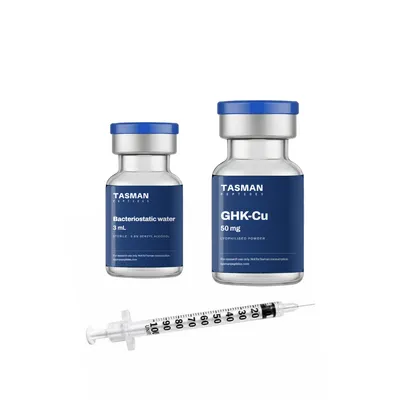
Starter kit
Is GHK-Cu available in Australia?
GHK-Cu is not registered on the ARTG as a medicine, and no TGA-approved GHK-Cu product exists. The TGA has named GHK-Cu, often supplied in injectable form, among the unapproved peptide products it has raised public health concerns about. Tasman supplies GHK-Cu only as a research material for laboratory work, not for human use. Read more →
Side effects reported in studies
The one controlled human trial of GHK-Cu skin care products did not report adverse events in its abstract, and a microneedle study in pig skin observed no obvious skin irritation. In a mouse silicosis model the authors reported no significant systemic toxicity. Read more →
Doses used in studies
The cited studies used very different amounts: topical skin care products in the one human trial (concentration not stated in the abstract), 0.2 and 2 mg/kg in a mouse muscle model, and 1 × 10⁻⁹ mol/L in cultured fibroblasts. Several animal abstracts do not state a dose at all. This is a report of study methods, not a guide. Read more →
Reconstitution
| Vial | BAC water (example) | Concentration |
|---|---|---|
| 50 mg | 5 mL | 10 mg/mL |
| 100 mg | 5 mL | 20 mg/mL |
GHK-Cu FAQ
Where can I buy GHK-Cu in Australia?
Tasman supplies research-grade GHK-Cu from Australian stock for laboratory research only. It comes as lyophilised powder in 50 mg and 100 mg vials, and it is tested by HPLC before dispatch. GHK-Cu is not registered on the ARTG as a medicine, and it is not sold for human or veterinary use.
How much is GHK-Cu per mg?
The cost per mg depends on the vial size you choose. The size table on this page lists the 50 mg and 100 mg vials side by side, so the per-mg figure for each can be read straight from it. The larger vial holds twice the powder, which changes the per-mg figure.
What is the difference between the 50 mg and 100 mg GHK-Cu vials?
The only difference is the amount of GHK-Cu powder in the vial: 50 mg or 100 mg. The material, testing and storage are the same. The larger vial needs more diluent to reach a given concentration, and the reconstitution calculator on this site works out the arithmetic for either size.
How should GHK-Cu be stored?
Dry GHK-Cu powder is stored at −20 °C, kept dry and away from light. Once mixed, reconstituted peptides are generally reported to be kept at 2–8 °C and used within 28 days. Avoid repeated warming and cooling of the vial, and keep it sealed between uses.
Is GHK-Cu legal in Australia?
GHK-Cu is not registered on the ARTG, and no TGA-approved GHK-Cu product exists. The TGA has named GHK-Cu among the unapproved peptide products it has raised public health concerns about. Tasman supplies it only as a research material for laboratory work. The Australia legal page sets out what the TGA sources say.
What is GHK-Cu studied for?
GHK-Cu is mostly studied for skin and tissue repair. Cell and animal work has looked at fibroblast growth, collagen synthesis, blood vessel growth and wound closure, and recent mouse studies have looked at lung fibrosis, airway remodelling and smoke-induced muscle loss. The one controlled human trial here tested topical skin care products after laser resurfacing.
What GHK-Cu dosage was used in studies?
The studies used very different amounts depending on the model. The mouse muscle study used 0.2 and 2 mg/kg, a fibroblast study used 1 × 10⁻⁹ mol/L, and the human trial used topical products without a stated concentration. These are the doses used in those studies only. The dosage page lists each one with its source.
Are there GHK-Cu before and after results?
The only controlled before-and-after measurement in people here is a 13-patient trial of skin care products after laser resurfacing. Blinded evaluators found no significant difference from the control group in redness, wrinkles or skin quality at 12 weeks, although patient-rated improvement was higher with GHK-Cu. The results page covers the detail.
GHK-Cu vs BPC-157: what is the difference?
GHK-Cu is a copper-bound tripeptide of three amino acids, while BPC-157 is a 15-amino-acid peptide derived from a gastric protein. GHK-Cu research centres on skin, fibroblasts and collagen, with one small human skin trial. BPC-157 research is mostly rat work on gut, tendon, vessel and nerve injury. The two are combined in the GLOW blend.
Is there a GHK-Cu starter kit?
Yes. The GHK-Cu starter kit pairs a vial with the supplies used to reconstitute it for laboratory work. The kit page lists exactly what is in the box. It is supplied for research use only, like the vial on its own.
Compare with
Related compounds
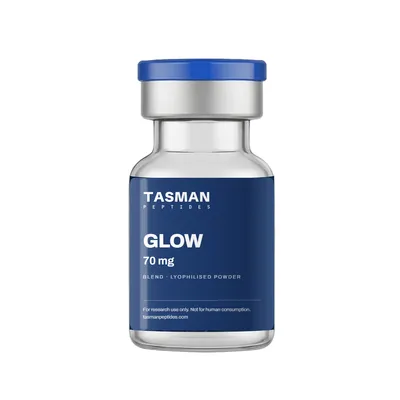
GLOW blend
Three-peptide research blend: a copper tripeptide, a gastric pentadecapeptide and a thymosin beta-4 related peptide
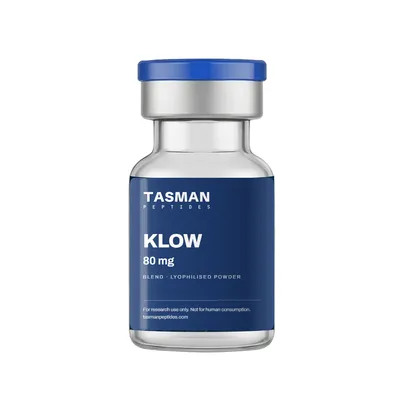
KLOW
Four-peptide research blend (GHK-Cu, BPC-157, TB-500, KPV)
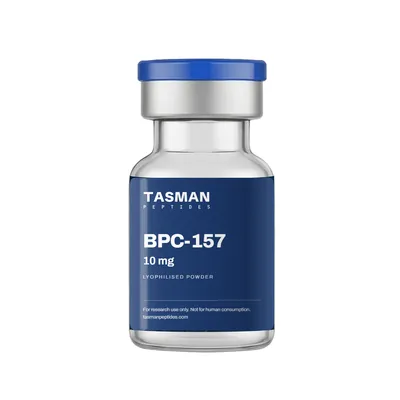
BPC-157
Synthetic pentadecapeptide derived from a gastric protein
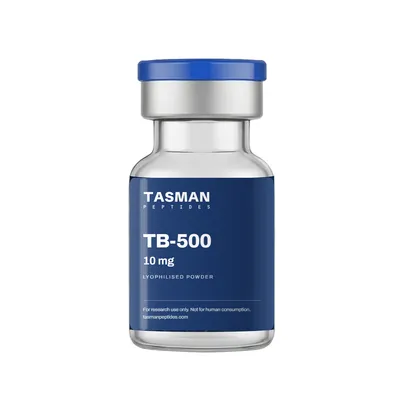
TB-500
Thymosin beta-4 related peptide (actin-binding)