
- Also known as
- TB500 · TB 500 · thymosin beta-4 · thymosin β4 · Tβ4
- Class
- Thymosin beta-4 related peptide
- Form
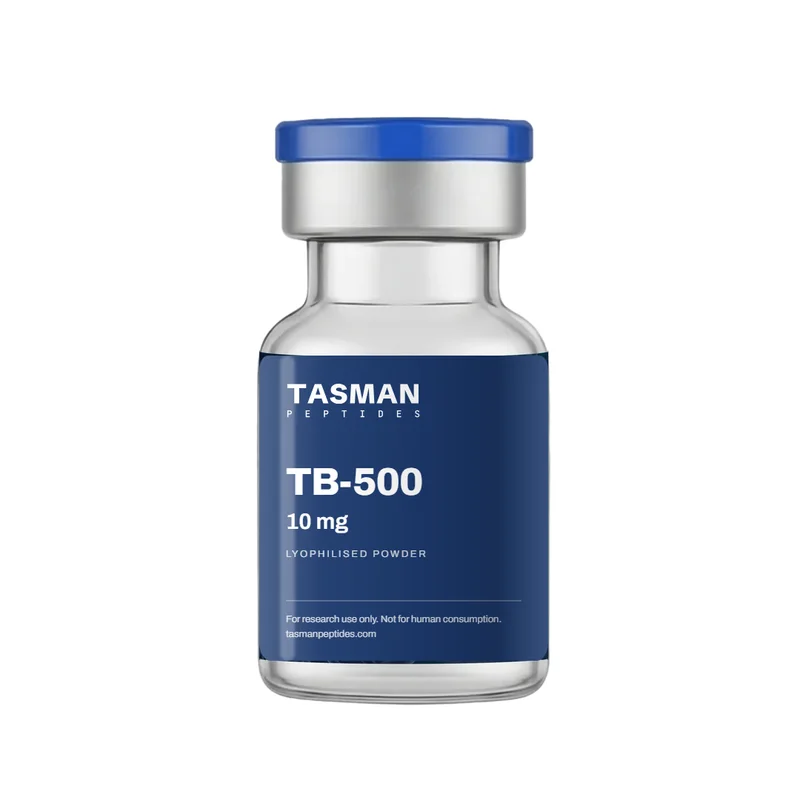
- Lyophilised powder
- Sizes
- 10 mg
- Storage, dry
- −20 °C, dry and dark
- Storage, mixed
- 2–8 °C, use within 28 days of mixing (as generally reported for reconstituted peptides)
- BAC water per size
- 10 mg: 2 mL
What is TB-500?
TB-500 is the name research suppliers use for peptide material related to thymosin beta-4 (Tβ4), and the TGA's scheduling papers describe TB-500 as a short peptide analogue of thymosin beta-4. Tβ4 itself is a 43-amino-acid peptide found in body fluids and inside cells, and it is high in platelets. It is a major G-actin-sequestering protein, which means it binds the building blocks of the cell's actin skeleton and affects how cells move, migrate and differentiate. The published literature studies thymosin beta-4, not TB-500 by name. The studies below either give Tβ4 to mice or cells, deliver it with a gene vector, or measure the body's own Tβ4 in human blood and tissue. Tasman supplies TB-500 as a lyophilised powder in 10 mg vials for laboratory research.
What the research shows
| Study | Model | Dose used | Duration | Finding |
|---|---|---|---|---|
| Drum CL et al.2017 · J Am Heart Assoc · PMID 28611096 | Human, observational biomarker study (HFpEF n=219, HFrEF n=219, controls n=219); circulating TB4 measured, none given | None given (the body's own plasma TB4 was measured) | Not stated in the abstract | Plasma TB4 was higher in HFpEF than in controls (1401 vs 985 ng/mL, P<0.001), an effect seen in women only. In women with heart failure, elevated TB4 carried a higher hazard ratio for all-cause death (1.668, P=0.036). |
| Maar K et al.2025 · Int J Mol Sci · PMID 40362372 | Mouse, permanent coronary ligation (heart attack) model; human cardiac cells | Systemic TB4 injection; amount not stated in the abstract | Not stated in the abstract | TB4 raised miR139-5p expression and modulated ROCK1 protein levels in mouse hearts and human cardiac cells, and may reverse or inhibit fibroblast-to-myofibroblast transformation. |
| Li Y et al.2025 · J Allergy Clin Immunol · PMID 39978686 | Mouse, house dust mite allergic asthma model (BDCA2-DTR mice); cell experiments | Tβ4 supplementation; amount not stated in the abstract | Not stated in the abstract | Tβ4 supplementation reversed the worsened asthma phenotype in mice depleted of plasmacytoid dendritic cells. Tβ4 inhibited IL-4/IL-13-induced JAK1/STAT6 signalling and CCL2 expression in macrophages. Serum Tβ4 was lower in mice and humans with ongoing allergic asthma. |
| Li H et al.2018 · J Gene Med · PMID 29972714 | Mouse, CCl4-induced liver fibrosis model (gene delivery, not peptide); liver cells in vitro | Intraperitoneal adeno-associated virus encoding Tβ4 (AAV-Tβ4); amount not stated in the abstract | Not stated in the abstract | AAV-Tβ4 pre-treatment significantly reduced liver injury, collagen deposition, stellate cell activation and pro-fibrotic cytokines, partly by down-regulating TGF-β receptor II. |
| Bako P et al.2023 · Int Immunopharmacol · PMID 38706788 | Mouse tympanic membrane (eardrum) explants, ex vivo and on collagen gels | Not stated in the abstract | Not stated in the abstract | TB4 affected the migration and proliferation of epidermal and epithelial cells of the tympanic membrane in vitro, most likely acting on local epidermal progenitor cells. |
| Sun YS et al.2025 · World J Gastroenterol · PMID 41278163 | Human colonic mucus (IBS patients); mouse and rat (Tβ4-deficient) models | Not stated in the abstract | Not stated in the abstract | Tβ4 treatment of mice reduced tight junction proteins in the gut lining, and Tβ4 released from mast cells under stress disrupted the intestinal epithelial barrier. Tβ4-deficient rats were resistant to stress-induced barrier disturbance. |
| Jin Z et al.2025 · Cell Signal · PMID 40912522 | Human breast cancer tissue and cell lines; mouse (in vivo) | Not stated in the abstract | Not stated in the abstract | Tβ4 was upregulated in breast cancer tissue, and high expression correlated with poor clinical outcomes. Tβ4 promoted cancer cell proliferation, migration and angiogenesis by regulating SLC7A11 and inhibiting ferroptosis. |
What these studies don't show: None of these studies tested a product sold as TB-500, and one of the animal studies delivered Tβ4 by a gene vector rather than as a peptide. Most of the administered-Tβ4 abstracts do not state the amount given. The human data here measure the body's own Tβ4 and do not involve giving it, and two studies link high Tβ4 to gut barrier disruption and cancer cell growth.
Every study links to its PubMed record. See all TB-500 studies in the research library →
TB-500 price in Australia: 10mg vial
Buy TB-500 in Australia in a 10mg vial and a starter kit. Prices are in AUD, you pay by PayID or bank transfer, and orders are dispatched from Australian stock.
| Size | Price | Per mg | BAC water (example) |
|---|---|---|---|
| 10 mg | $129.99 | $13.00/mg | 2 mL |
The BAC water column is an example volume for the maths only. Open the calculator (pre-set for TB-500).
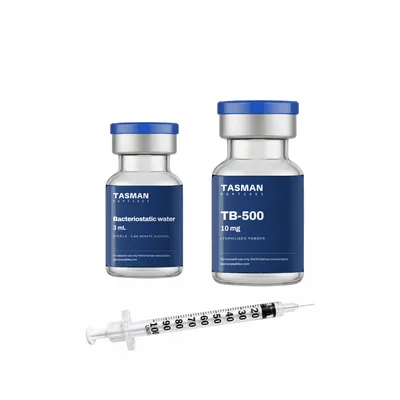
Starter kit
Is TB-500 available in Australia?
TB-500 is not registered on the ARTG, and no TGA-approved TB-500 product exists. Thymosin beta-4 and TB-500 were added to Schedule 4 (prescription-only) of the Poisons Standard, with an Appendix D entry, following a 2016 scheduling decision. Tasman supplies TB-500 only as a research material for laboratory work, not for human use. How the TGA treats research peptides →
Side effects reported in studies
A 2016 review reports that thymosin beta-4 was safe and well tolerated in phase 2 trials in patients with skin ulcers and epidermolysis bullosa wounds, but those trials are not in our records as primary studies. Animal and tissue studies here link high Tβ4 to gut barrier disruption and to breast and thyroid cancer growth.
Reconstitution
| Vial | BAC water (example) | Concentration |
|---|---|---|
| 10 mg | 2 mL | 5 mg/mL |
TB-500 FAQ
Where can I buy TB-500 in Australia?
Tasman supplies research-grade TB-500 from Australian stock for laboratory research only. It comes as lyophilised powder in a 10 mg vial and is tested by HPLC before dispatch. TB-500 is not registered on the ARTG, sits in Schedule 4 of the Poisons Standard, and is not sold for human or veterinary use.
Is TB-500 the same as thymosin beta-4?
Not exactly. Thymosin beta-4 is a 43-amino-acid peptide the body makes, and it is what the research literature studies. TB-500 is a supplier name, and the TGA's scheduling papers describe it as a short peptide analogue of thymosin beta-4. The studies on this page are about thymosin beta-4.
Is TB-500 legal in Australia?
TB-500 is not registered on the ARTG, and no TGA-approved product exists. Thymosin beta-4 and TB-500 have had Schedule 4 and Appendix D entries in the Poisons Standard since a 2016 decision, made to control how they are advertised, sold and accessed. Tasman supplies TB-500 only as a research material for laboratory work.
How much is TB-500 per mg?
TB-500 comes in one size, a 10 mg vial, so the per-mg figure is the vial price divided by ten. The size table on this page shows it. Blends such as Wolverine and GLOW contain TB-500 alongside other peptides and have their own pages.
How should TB-500 be stored?
Dry TB-500 powder is stored at −20 °C, kept dry and away from light. Once mixed, reconstituted peptides are generally reported to be kept at 2–8 °C and used within 28 days. Keep the vial sealed and avoid repeated warming and cooling.
How much bacteriostatic water goes in a 10 mg TB-500 vial?
Using this site's neutral maths default of 1 mL per 5 mg, a 10 mg vial works out to 2 mL, giving 5 mg per mL. That figure is arithmetic only. The reconstitution calculator shows the concentration for any other volume.
What is TB-500 studied for?
Thymosin beta-4 is studied mostly in mice for heart remodelling after a heart attack, liver fibrosis, allergic asthma and eardrum cell repair. Human studies here measure the body's own Tβ4 in heart failure, asthma, gut disorders and cancer, rather than giving it. Some of those studies link high Tβ4 to harmful effects.
TB-500 vs BPC-157: what is the difference?
TB-500 relates to thymosin beta-4, an actin-binding peptide studied in mouse heart, liver and lung models. BPC-157 is a 15-amino-acid peptide derived from a gastric protein, studied mostly in rat injury models, with three small human reports. Both are in Schedule 4. They are combined in the Wolverine blend.
What is the Wolverine blend?
The Wolverine blend is a single 10 mg vial holding BPC-157 5 mg and TB-500 5 mg. The same pairing is also sold as the Wolverine stack, with each peptide in its own vial, at /kits/wolverine-stack/. Both are supplied for laboratory research only.
Is there a TB-500 starter kit?
Yes. The TB-500 starter kit pairs the 10 mg vial with the supplies used to reconstitute it for laboratory work, and the kit page lists exactly what is in the box. It is supplied for research use only, like the vial on its own.
Compare with
Related compounds
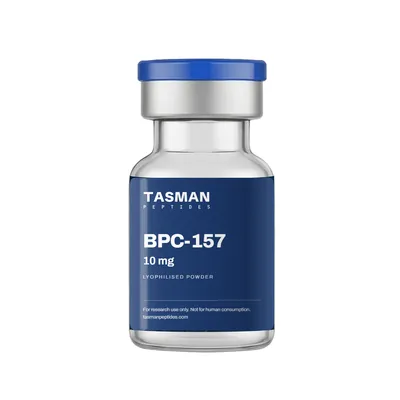
BPC-157
Synthetic pentadecapeptide derived from a gastric protein

Wolverine blend (BPC-157 + TB-500)
Two-peptide research blend: a gastric pentadecapeptide and a thymosin beta-4 related peptide
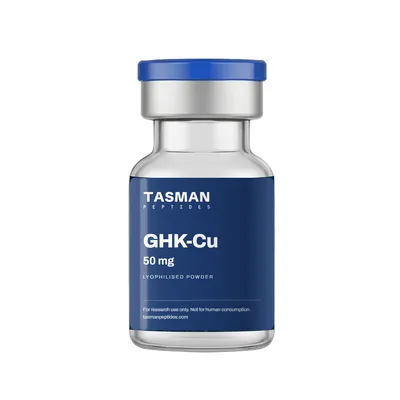
GHK-Cu
Copper-binding tripeptide (Gly-His-Lys copper complex)
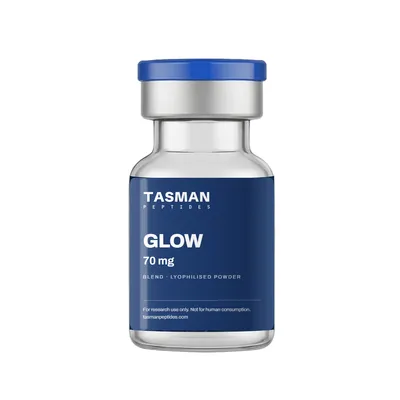
GLOW blend
Three-peptide research blend: a copper tripeptide, a gastric pentadecapeptide and a thymosin beta-4 related peptide