
Tissue repair research peptides
Tissue repair research centres on BPC-157 and TB-500. BPC-157 is a 15-amino-acid gastric peptide studied mostly in rat models of gut, tendon, muscle and nerve injury. TB-500 is material related to thymosin beta-4, an actin-binding peptide studied mostly in mice. KPV, a fragment of α-MSH, has been studied in mouse colitis models. The Wolverine, GLOW and KLOW blends combine them.
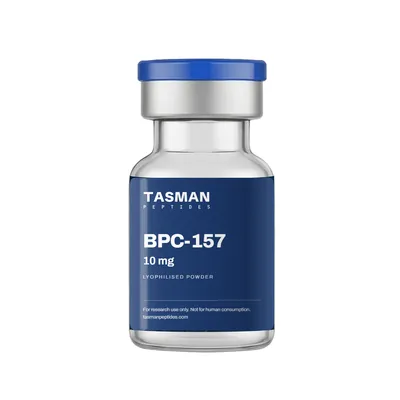
BPC-157
Synthetic pentadecapeptide derived from a gastric protein

Wolverine blend (BPC-157 + TB-500)
Two-peptide research blend: a gastric pentadecapeptide and a thymosin beta-4 related peptide
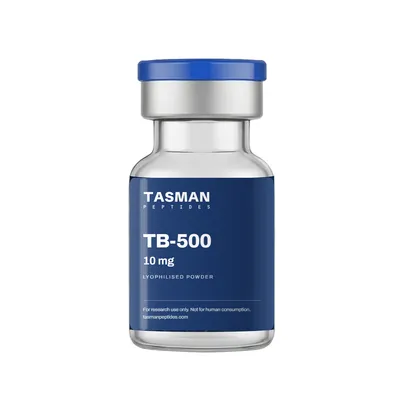
TB-500
Thymosin beta-4 related peptide (actin-binding)
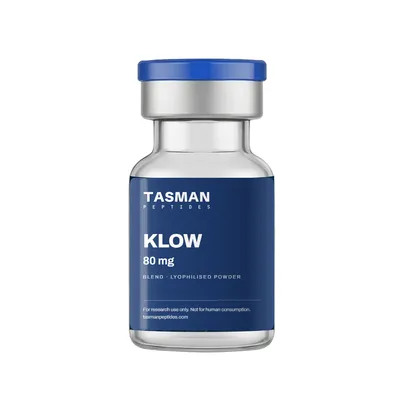
KLOW
Four-peptide research blend (GHK-Cu, BPC-157, TB-500, KPV)
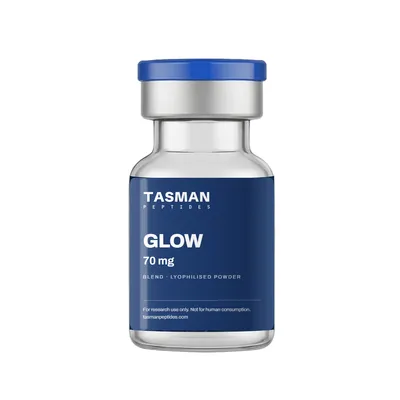
GLOW blend
Three-peptide research blend: a copper tripeptide, a gastric pentadecapeptide and a thymosin beta-4 related peptide
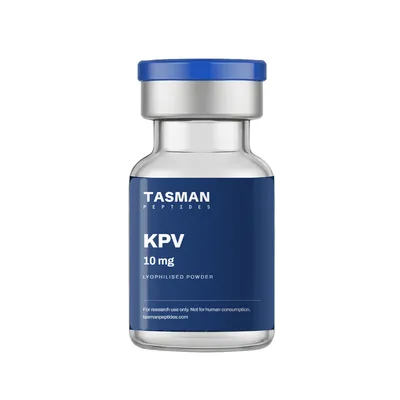
KPV
Melanocortin-derived tripeptide (C-terminal fragment of α-MSH)
How these compare
| Compound | Class | Sizes | From |
|---|---|---|---|
| BPC-157 | Synthetic pentadecapeptide derived from a gastric protein | 10 mg | $94.99 |
| Wolverine blend (BPC-157 + TB-500) | Two-peptide research blend: a gastric pentadecapeptide and a thymosin beta-4 related peptide | 10 mg | $109.99 |
| TB-500 | Thymosin beta-4 related peptide (actin-binding) | 10 mg | $129.99 |
| KLOW | Four-peptide research blend (GHK-Cu, BPC-157, TB-500, KPV) | 80 mg | $219.99 |
| GLOW blend | Three-peptide research blend: a copper tripeptide, a gastric pentadecapeptide and a thymosin beta-4 related peptide | 70 mg | $199.99 |
| KPV | Melanocortin-derived tripeptide (C-terminal fragment of α-MSH) | 10 mg | $89.99 |
FAQ
What is the Wolverine blend?
The Wolverine blend is BPC-157 and TB-500 pre-mixed in one 10 mg vial, 5 mg of each. The same pair is also sold as the Wolverine stack, two separate 10 mg vials, for labs that want to handle each peptide on its own. No published study has tested the two as a blend.
Is BPC-157 legal in Australia?
BPC-157 is not registered on the ARTG, and following a scheduling decision published in May 2024 the Poisons Standard contains a Schedule 4 (prescription-only) entry for it. TB-500 and thymosin beta-4 were added to Schedule 4 after a 2016 decision. We supply both for laboratory research only; each has its own legal page.
How much human evidence is there for BPC-157 and TB-500?
Very little. For BPC-157 it is two small uncontrolled pilot studies and a retrospective chart review of 16 people; the rest is rat and mouse work. The TB-500 literature studies thymosin beta-4, mostly in mice and cells, not TB-500 by name. Each compound page labels the model behind every study.
How do GLOW and KLOW differ from the Wolverine blend?
GLOW adds GHK-Cu: it is GHK-Cu 50 mg, BPC-157 10 mg and TB-500 10 mg in one 70 mg vial. KLOW is GLOW with KPV 10 mg added, 80 mg in total. The Wolverine blend holds only BPC-157 and TB-500.