
Skin & cellular research peptides
Skin and cellular research centres on GHK-Cu, the copper complex of a tripeptide found in human plasma, studied in skin, fibroblast and wound models. The GLOW blend pairs it with BPC-157 and TB-500, and KLOW adds KPV. Glutathione, a tripeptide antioxidant made in nearly every cell, is used in oxidative-stress research, where the GSH/GSSG ratio is a common marker.
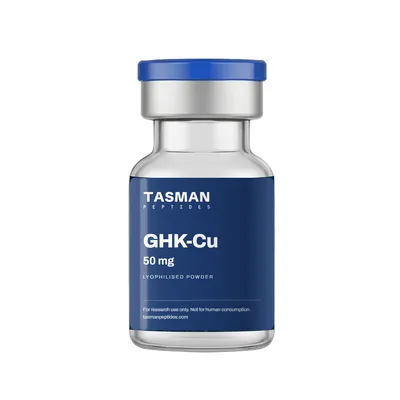
GHK-Cu
Copper-binding tripeptide (Gly-His-Lys copper complex)
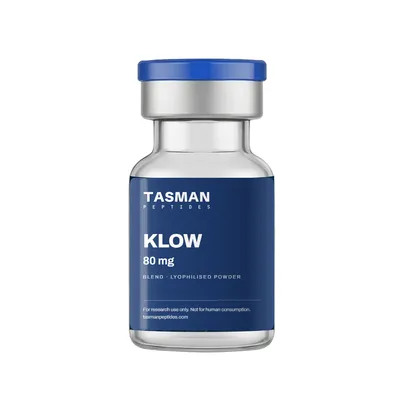
KLOW
Four-peptide research blend (GHK-Cu, BPC-157, TB-500, KPV)
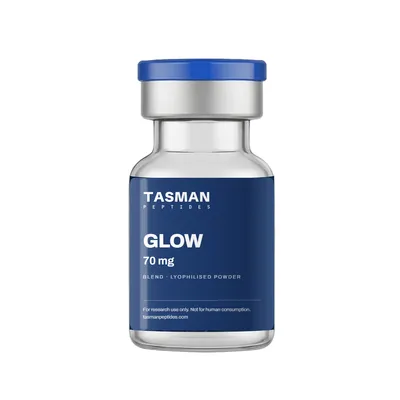
GLOW blend
Three-peptide research blend: a copper tripeptide, a gastric pentadecapeptide and a thymosin beta-4 related peptide
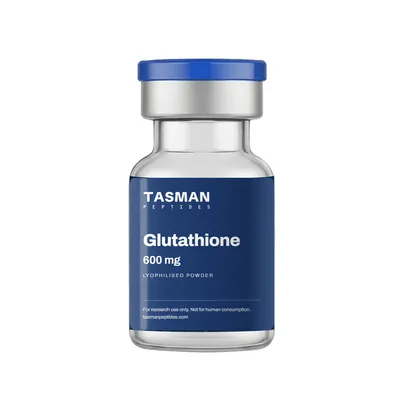
Glutathione
Endogenous tripeptide antioxidant (thiol)
How these compare
| Compound | Class | Sizes | From |
|---|---|---|---|
| GHK-Cu | Copper-binding tripeptide (Gly-His-Lys copper complex) | 50 mg · 100 mg | $99.99 |
| KLOW | Four-peptide research blend (GHK-Cu, BPC-157, TB-500, KPV) | 80 mg | $219.99 |
| GLOW blend | Three-peptide research blend: a copper tripeptide, a gastric pentadecapeptide and a thymosin beta-4 related peptide | 70 mg | $199.99 |
| Glutathione | Endogenous tripeptide antioxidant (thiol) | 600 mg | $79.99 |
FAQ
What is GHK-Cu?
GHK-Cu is the copper(II) complex of GHK, a glycine-histidine-lysine tripeptide that occurs naturally in human plasma, saliva and urine. It was first described in 1973. Most of its research is cell culture and animal work on skin, wounds and lung injury; the one small human randomised trial used topical skin products and found no difference on its objective measures.
Is GHK-Cu legal in Australia?
GHK-Cu is not registered on the ARTG as a medicine, and no TGA-approved GHK-Cu product exists. The TGA has named it among the unapproved peptide products it has raised public health concerns about. We supply it for laboratory research only, not for human use.
What is the difference between GLOW and KLOW?
GLOW is GHK-Cu 50 mg, BPC-157 10 mg and TB-500 10 mg in one 70 mg vial. KLOW is the same three plus KPV 10 mg, 80 mg in total. No published study has tested either mixture; each blend page lists the studies on its components.
Why is glutathione in this area?
Glutathione is the main antioxidant tripeptide inside cells, and its reduced-to-oxidised ratio, GSH/GSSG, is a standard lab marker of oxidative stress. Human trials have given it intravenously and orally and measured outcomes from blood levels to skin pigmentation. We supply it in a 600 mg vial.